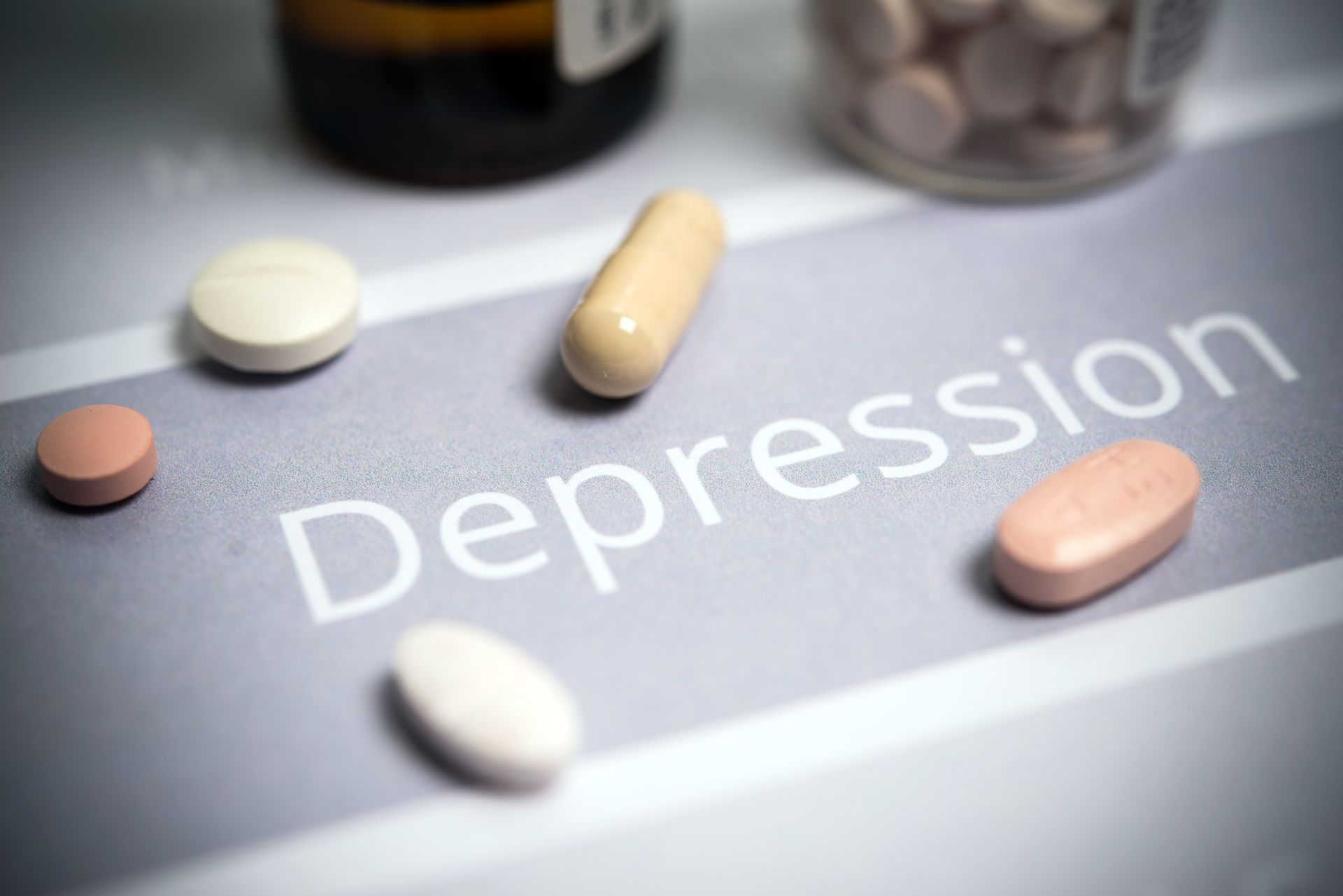
High-Functioning Depression: Suffering in Silence
Medically reviewed by: Dr. Felix Geller | September, 2026
Key Points:
- High-functioning depression means appearing fine on the outside while suffering internally
- You can maintain work, relationships, and responsibilities while experiencing clinical depression
- Depression is real and treatable regardless of how well you appear to function
- Many high-achievers and professionals experience high-functioning depression
- Appearing fine often delays treatment because people assume they don't need help
- Untreated high-functioning depression worsens over time and increases serious risks
- Professional help addresses depression even when you're "managing"
- Treatment improves not just symptoms but quality of life and authentic connection
If you or someone you know is in crisis, call 911 or the Suicide & Crisis Lifeline at 988 right away.
You Look Fine. So Why Do You Feel So Empty?
To everyone around you, you have it together. You show up to work and perform well. You maintain your relationship. You get things done. You appear successful, competent, and stable.
But internally, everything feels gray. You've lost joy in things you love. Getting out of bed takes enormous effort. You feel empty or numb despite outward success. You wonder if something is wrong with you because you can't explain why you feel this way when, objectively, things are fine.
You might be experiencing high-functioning depression.
High-functioning depression is a form of clinical depression where you maintain the ability to function in major life areas while experiencing significant emotional pain internally. It's insidious because it's invisible—to everyone but you. And because you're still functioning, you might not recognize what you're experiencing as depression or realize you deserve help.
Understanding high-functioning depression helps you recognize when professional support matters, even when you appear fine.
What High-Functioning Depression Actually Is
High-functioning depression, sometimes called persistent depressive disorder or dysthymia when chronic, involves depressive symptoms that don't completely disable functioning but significantly impact quality of life.
The High-Functioning Paradox
You Can Do It:
You show up. You perform your responsibilities. You maintain relationships. You meet deadlines and expectations. Objectively, you're functioning.
But It Costs Everything:
Everything takes enormous effort. Functioning requires all your energy and emotional reserves. There's nothing left for genuine enjoyment or authentic connection. You feel like you're going through motions.
People Don't Realize:
Others see someone who has it together. They don't see the internal struggle, the morning battles to get out of bed, or the emptiness beneath the surface.
Core Characteristics of High-Functioning Depression
Persistent Low Mood:
Sadness, emptiness, or numbness is present most days. It's your baseline, not a temporary struggle.
Loss of Interest:
Things you used to enjoy hold no appeal. Hobbies feel pointless. Time with friends feels obligatory rather than enjoyable. Sex feels uninteresting.
Emotional Numbness:
Sometimes you feel sad; sometimes you feel nothing at all. Either way, genuine positive emotion is rare or absent.
Exhaustion:
Despite sleeping, you feel perpetually tired. The fatigue is emotional and physical.
Difficulty Concentrating:
Your mind feels foggy. Work requires more effort than it should. Decision-making is harder.
Guilt or Self-Criticism:
You feel guilty about struggling when you "should" be fine. You're self-critical about not being happy despite external success.
Maintaining Functioning:
You do what needs doing, but it feels like wearing a mask. You perform the role but don't feel present.
Duration:
High-functioning depression persists for weeks, months, or years—not occasional bad days.
Why High-Functioning Depression Is Different
High-functioning depression differs from severe depression in observable ways but is still clinical depression requiring treatment.
Comparison With Severe Depression
Both are clinical depression. Both are treatable. Both deserve professional care.
Why It's Insidious
Invisible to Others:
No one realizes you're struggling because you look fine. This isolation intensifies depression.
Delayed Treatment:
You might not seek help because you're functioning, or people suggest you should be grateful/happy. You second-guess whether depression is "real" if you're still managing.
Worsens Gradually:
High-functioning depression often slowly worsens. One day you realize you've been struggling for years without addressing it.
Perfectionism Reinforced:
Successfully hiding depression and maintaining functioning reinforces perfectionism and avoidance of help-seeking.
Authentic Connection Limited:
Performing normality prevents genuine connection. Loneliness deepens depression.
Who Gets High-Functioning Depression?
High-functioning depression affects people across all walks of life, but certain profiles are common.
Common Profiles
High-Achieving Professionals:
Driven individuals in demanding careers often experience high-functioning depression while maintaining career success. Perfectionism and identity tied to achievement can mask depression.
Parents:
People caring for children often maintain functioning while struggling internally. Parental responsibility drives showing up despite emotional pain.
Perfectionists:
People with high standards and self-criticism often hide depression to maintain their image of competence.
People-Pleasers:
Those who prioritize others' needs and appear accommodating often hide their own struggles. Depression becomes compartmentalized.
Introverts:
Quiet people might struggle internally while appearing fine because they're naturally less outwardly expressive.
Men:
Socialization often teaches men to hide vulnerability. Many high-functioning depressed men appear fine while suffering significantly.
Why It Stays Hidden
Fear of Judgment:
Concern that admitting depression means weakness, failure, or loss of respect.
Identity Investment:
If your identity is "the together one" or "the strong one," depression threatens that self-image.
Responsibility:
Feeling obligated to others (family, work, dependents) creates pressure to appear fine.
Minimization:
Belief that if you're functioning, depression "isn't that bad" or you should handle it alone.
Lack of Recognition:
Not realizing what you're experiencing is treatable depression rather than personality or character.
Physical and Emotional Signs of High-Functioning Depression
What to Look For in Yourself
Emotional Signs:
- Persistent emptiness or sadness
- Difficulty experiencing joy
- Emotional flatness or numbness
- Guilt about struggling despite external success
- Difficulty connecting with others emotionally
- Irritability or impatience (sometimes masked)
- Hopelessness about the future
Physical Signs:
- Chronic fatigue despite adequate sleep
- Sleep changes (insomnia, oversleeping, restlessness)
- Appetite changes
- Unexplained aches or pains
- Reduced energy despite no medical cause
- Decreased libido
- Concentration difficulties
Behavioral Signs:
- Isolating despite maintaining relationships
- Withdrawing from enjoyable activities
- Maintaining work/responsibilities but without genuine engagement
- Using substances (alcohol, food, shopping) to manage emotions
- Procrastination or difficulty starting tasks despite capacity
- Perfectionism about work while neglecting self-care
- Overcommitting to avoid being alone with thoughts
Internal Experience:
- Feeling like you're going through motions
- Performing rather than authentically living
- Disconnection from your life despite success
- Wondering what's wrong despite external accomplishments
- Exhaustion from maintaining the appearance of fine
Why Treatment Matters Even When You're "Fine"
You might hesitate to seek help because you're functioning. This reasoning is understandable but misses the point.
The Cost of Untreated High-Functioning Depression
Quality of Life Suffers:
You're living but not truly living. Authentic joy, connection, and meaning are limited. Is merely functioning enough?
It Worsens:
High-functioning depression often gradually worsens. The energy required to maintain functioning depletes. One day you hit a wall.
Authentic Connection Prevents:
Performing normality prevents genuine relationships. Loneliness deepens depression.
Burnout Risk:
The effort to maintain functioning while struggling internally increases burnout risk, especially in demanding careers.
Increased Serious Risks:
Even when functioning, untreated depression increases suicide risk, substance abuse, and health problems.
Missed Opportunity:
Treatment doesn't just reduce suffering; it can help you genuinely thrive, find meaning, and experience authentic happiness.
Treatment Improves More Than Symptoms
Professional help addresses:
- Underlying causes of depression
- Perfectionism and self-criticism patterns
- Authentic connection with others
- Work satisfaction and career fulfillment
- Joy and meaning in life
- Resilience and coping skills
- Identity beyond achievement
Treatment for High-Functioning Depression
High-functioning depression is highly treatable, and treatment often leads to genuine transformation.
Therapy
Psychotherapy services including Cognitive Behavioral Therapy (CBT) help by:
- Identifying thought patterns maintaining depression
- Addressing perfectionism and self-criticism
- Exploring identity beyond achievement
- Building authentic connection
- Processing underlying causes
- Developing resilience and meaning
Many high-achievers respond well to therapy once they begin.
Medication
When appropriate, medication can significantly improve high-functioning depression. Modern Psychiatry starts with non-stimulant medications first, moving to other options only if needed. Medication helps by:
- Reducing persistent low mood
- Restoring capacity for pleasure
- Improving energy and motivation
- Enabling more effective therapy engagement
Important Note: Certain medications cannot be initiated over telehealth and require periodic in-person visits as determined by the DEA.
Lifestyle Integration
Support alongside professional treatment:
- Regular exercise (proven effective for depression)
- Adequate sleep
- Meaningful social connection
- Exploring values and authentic interests
- Setting boundaries and saying no
- Pursuing activities purely for enjoyment, not achievement
Combined Approach
Research shows therapy plus medication produces best outcomes. Modern Psychiatry provides integrated care addressing high-functioning depression comprehensively.
Taking the First Step
If you recognize high-functioning depression in yourself, professional evaluation helps.
Schedule Consultation
Contact Modern Psychiatry:
Visit our Get Started page or call 732-831-6094.
Be Honest in Your Evaluation:
Share your experience even if you're functioning. Your provider needs the full picture.
Discuss Your Hesitations:
If you're reluctant to seek help because you're managing, discuss this. Your provider can help you understand why treatment matters.
Telehealth Options
Modern Psychiatry offers telehealth in all states for convenient care fitting your schedule.
You Deserve More Than Just Functioning
High-functioning depression is real depression. You deserve professional care not because you've failed or because things are unbearable, but because you deserve to genuinely thrive, experience authentic joy, and live meaningfully—not just go through motions.
Many high-achieving professionals discover that treating depression transforms not just their emotional life but their work satisfaction, relationships, and overall sense of meaning.
You're not weak for struggling. You're wise for recognizing that functioning isn't the same as thriving.
FAQs About High-Functioning Depression
Am I really depressed if I'm still functioning?
Yes. Depression is diagnosed based on symptoms and their impact on quality of life, not on your ability to maintain external functioning. Many people with clinical depression continue working and managing responsibilities. Functioning doesn't negate depression or eliminate your need for treatment. Your internal experience matters, not just external appearance.
Will admitting depression mean I lose respect at work?
Modern employment law protects your privacy regarding mental health conditions. You're not obligated to disclose mental health treatment to employers. Many high-achievers successfully manage depression with treatment while maintaining career success—often with improved performance as depression improves.
Should I tell people I'm struggling?
That's your choice. You might share with close people or keep it private. Opening up to trusted people often brings relief and support. However, there's no obligation to disclose.
Isn't it better to just push through?
Pushing through without treatment often worsens depression and leads to burnout, health problems, or crisis. Treatment doesn't mean weakness; it means taking care of yourself.
How long until treatment helps?
Many people notice improvements within 2-4 weeks of starting appropriate treatment. Most see significant improvement within 6-8 weeks. Continued treatment produces ongoing benefits and prevented relapse.
FAQs About Modern Psychiatry
What services does Modern Psychiatry offer?
Modern Psychiatry provides comprehensive mental health care including psychiatric evaluations, medication management, therapy services, and treatment for depression, anxiety, ADHD, bipolar disorder, PTSD, and OCD. We also offer psychological testing, executive function coaching (45-minute sessions, $75 each, not covered by insurance, with free 15-minute consultation available), and TMS therapy. We understand high-functioning depression and provide treatment helping you thrive, not just function.
Do you accept insurance?
Insurance acceptance varies by location and provider. Call 732-831-6094 to verify your coverage.
How quickly can I get an appointment?
We work to accommodate new patients quickly. Visit our Get Started page or contact our office.
Do you offer telehealth appointments?
Yes! Modern Psychiatry offers telehealth in all states where we operate, including Alabama, California, Colorado, Connecticut, Florida, Idaho, Kentucky, Louisiana, Mississippi, Montana, New Jersey, New York, North Carolina, Ohio, Pennsylvania, Rhode Island, South Carolina, South Dakota, Texas, Virginia, and Wisconsin.
Virtual appointments provide convenient access from home. Please note that certain medications cannot be initiated over telehealth and require periodic in-person visits as determined by the DEA.
What should I expect at my first appointment?
Your first visit involves a comprehensive evaluation where your provider asks about your mood, functioning, symptoms, and goals. Appointments usually last 45 to 60 minutes. Bring any questions or concerns. Review our patient resources to prepare.
Where are Modern Psychiatry offices located?
We have locations in Florida, Kentucky, Louisiana, Mississippi, New Jersey, North Carolina, Pennsylvania, Texas, and Virginia. Visit our locations page to find the office nearest you.
Ready to Move Beyond Functioning to Truly Thriving?
You don't have to suffer in silence or settle for merely functioning. Modern Psychiatry helps high-achieving professionals discover genuine joy, authentic connection, and meaningful living alongside professional success.
Get started today or call us at 732-831-6094 to schedule your consultation and begin your transformation from functioning to thriving.
If you or someone you know is in crisis, call 911 or the Suicide & Crisis Lifeline at 988 right away.
Disclaimer: The information provided on this blog is for general informational purposes only and is not intended as, and should not be considered, medical advice. All information, content, and material available on this blog are for general informational purposes only. Readers are advised to consult with a qualified healthcare professional for medical advice, diagnosis, or treatment. The author and the blog disclaim any liability for the decisions you make based on the information provided. Always seek the advice of your physician or other qualified health provider with any questions you may have regarding a medical condition.